In this article
Need a little support with this?
Rachel’s work is shame-free, direct, and grounded in therapy-informed tools for sex, relationships, and mental health.
Shame-free note: Use this article as a starting point, not a scorecard. Take what helps, leave what does not, and come back to the parts that deserve more care.
Key Takeaways
- If you’ve tried every self care tip in the book and still feel depleted, you are not the problem. The advice is incomplete.
- Much of what gets sold as self care is actually self-soothing or marketing. It cannot fix chronic burnout, people-pleasing, or the way social systems drain your energy and well being.
- Real self care often looks unglamorous: setting healthy boundaries, resting without earning it, having hard conversations, and asking for professional help when you need it.
- This article includes completely actionable steps you can try this week, plus guidance on when it’s time to seek professional support instead of more life hacks.
- I’m Rachel Wright, MA, LMFT, a therapist with an active private practice (Shame Free Therapy) who works daily with burned-out adults and over-functioners. This is what I see, and this is what I want you to know.
Why your self-care isn’t working
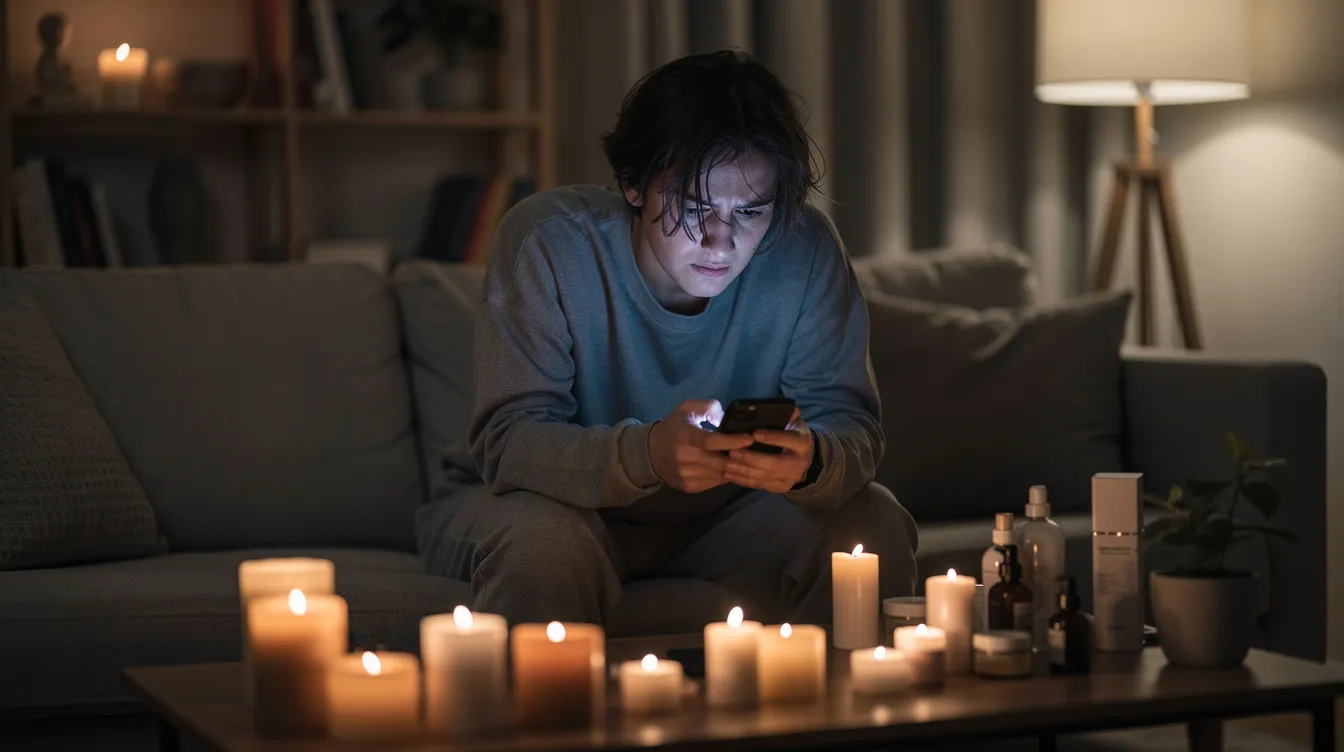
It’s a weeknight in 2026. You just closed your laptop after a meeting that could have been an email, and you’re scrolling “self care ideas” with one hand while eating cereal over the sink with the other. You’ve tried the bubble bath. You bought the journal. You downloaded the meditation class app. You did the skincare routine. And your mental health still feels like it’s hanging on by a thread.
You might secretly wonder if you’re lazy, ungrateful, or just bad at this. That shame is common, and it’s also misplaced. The concept of self care is often vaguely defined, and the advice you’ve been following was never designed to address what’s actually wearing you down. Societal pressures can lead to burnout and disillusionment that no face mask will touch. When your nervous system is chronically overtaxed by overwork, caregiving, financial stress, or systemic stressors, surface-level self care tips that tell you to manage stress with a ten-minute morning meditation are putting a decorative pillow over the check engine light.
The issue is not that you need to practice self care harder. The issue is that most mainstream self care advice treats the ripple and ignores the rock that caused it. What follows is the difference between self-soothing and real self care, a practical framework, and meaningful self care ideas that actually change your capacity.
The trouble with the bubble-bath version of self-care
There’s a particular genre of self care advice, the kind you’d see on Good Morning America or a pastel Instagram grid, that looks like scented candles, color-coded planners, and $40 sheet masks. Consider this some hilariously honest advice: there is nothing wrong with any of those things. I like a candle. But when that version of self care is presented as the answer to burnout, trauma, or systemic exhaustion, we’ve got a problem. Superficial self care often focuses on temporary fixes like spa days. Faux self care practices often stem from societal expectations about what “taking care of yourself” should look like, and this long overdue reckoning with the wellness world is worth having.
The pressure to maintain an aesthetic self-care routine can even lead to guilt when it doesn’t make you feel worthy or rested. Self-care tasks can become burdensome and feel like just another obligation on a list that was already too long. Faux self care can lead to burnout and dissatisfaction all on its own.
It got turned into a product
Self-care practices can exclude those who need care most due to financial privilege. Women face unique societal pressures regarding self care and mental health. Marginalized communities, parents, caregivers, and low-income people are especially harmed by a narrative that equates healing with purchasing power. Picture the “self-care haul” on TikTok next to someone who just needs affordable childcare, a living wage, or a safe place to sleep. Self care should not be a consumerist activity but a personal, self reflective process.
It treats symptoms, not causes
Bubble bath self care is mostly symptom management. Self care is often expected to provide instant emotional relief, but it rarely changes the conditions causing the stress in the first place. Self care is criticized for placing responsibility on individuals instead of addressing systemic problems. Prescribed self-care in workplaces often acts as a band-aid for a broken culture where social systems drain individual energy and well being. Even our broken systems get ignored when the solution offered is “try yoga.”
Self-soothing vs self-care: an important difference
Self-soothing is what helps you feel calmer right now: scrolling, snacks, a favorite show, deep breathing, progressive muscle relaxation (which involves tensing and relaxing muscle groups), a hot shower, or an orgasm. These are legitimate coping tools. Self care is often misunderstood as selfish or indulgent, but self-soothing is a normal, necessary part of how we regulate emotions day to day. Self care practices can improve emotional regulation and decision-making when used intentionally.
Real self care, by contrast, is the stuff that meets your actual needs and changes your capacity over time, even when it’s uncomfortable in the moment. A quick contrast:
- Self-soothing: Binging a show until 2 a.m. because you “deserve” it.
- Self-care: Going to bed at a consistent time even when you want one more episode.
- Self-soothing: Ordering takeout and zoning out after a rough day.
- Self-care: Asking your partner to handle dinner so you can rest without guilt.
Both are useful. You need both. But confusing one for the other is a core reason so many people feel like self care isn’t working. They are spending time on momentary relief and wondering why their baseline never shifts. If you want to dig deeper into this, I wrote about what we really mean by emotional regulation and how self-soothing fits into the bigger picture of nervous-system care.
What real self-care actually involves
Real self care often looks extremely unsexy. It’s a series of choices about how you spend your time, attention, and energy. Real self care involves internal reflection and aligning with personal values. It means practicing real self care by making decisions that match what you actually need, not what looks good or earns approval. Self care enhances our ability to live fully and effectively, but genuine self care requires making difficult decisions for well being. Self care is essential for maintaining mental health and well being, and sometimes it will feel uncomfortable, guilt-inducing, or scary, especially for people-pleasers and over-functioners. The goal is to burn bright without burning out.
Meeting actual needs
Actual needs fall into four categories: physical (sleep, food, movement, physical health care), emotional (validation, emotional support, rest from overstimulation), relational (connection, repair, space from loved ones when needed), and practical (money, time, childcare, admin tasks).
Start by asking yourself: Am I hungry, tired, in pain, or overstimulated? What is one small thing that would actually make my daily life easier this week? Sometimes practicing real self care means scheduling a long-delayed medical appointment, adjusting medications with a provider, asking a partner to share childcare, or renegotiating a work expectation. Self care can reduce anxiety and depression symptoms when it actually addresses what’s going on underneath.
Sometimes “I need rest” is actually “I need an assessment for anxiety, ADHD, or depression.” Professional help is a valid form of self care, not a failure. If you’re wondering whether your exhaustion is situational or something more, it helps to explore whether it’s burnout or depression.
Boundaries and saying no
For many of you, the problem with self care is not adding more rituals. It’s subtracting obligations that are draining your energy. Self care includes learning to say no to others’ demands. Setting boundaries is vital for mental well being, and effective boundary setting can reduce feelings of burnout. Boundaries help create space between you and others, and healthy boundaries improve personal relationships and self-respect.
In practice this might look like: declining unpaid “culture work” at your job, setting a cut-off time for Slack, saying no to a group chat event you dread, or telling family members that you can’t host this year. Declare independence from at least one unnecessary obligation. The emotional experience of this, especially for people-pleasers, often includes feeling guilty, anxious, or terrified of conflict. Those feelings are normal, not a sign that the boundary is wrong. Your inner critic will have opinions. That’s okay.
Learning to prioritize yourself with self-love and practice self kindness around boundaries is a skill, and therapy can help you build it over time.
The unglamorous stuff
Some of the most meaningful self care activities look like this: cleaning out your inbox, budgeting, finally calling the insurance company, putting laundry away, crossing one dreaded item off your to do list, or creating a realistic bedtime routine. Implementing healthy routines can be difficult due to procrastination, but these tasks free up bandwidth in your brain, which increases your capacity for joy, creativity, and rest.
Some pleasure practices can also be both self-soothing and real self care when done with intention. If you’re curious about that, I wrote about masturbation as self-care in a way that might resonate.
You don’t need to do all of this at once. Choose one unglamorous task that would make the biggest difference in your weekly mental load.

How to find your version (a quick framework)
A revolutionary self care framework doesn’t need to be complicated. This one takes five to ten minutes. You can repeat it weekly, like a Sunday check-in, to keep your self care grounded and personalized instead of copying trends.
- Name what is draining you. Write down three to five drains: work, relationships, body, money, current events. Not more.
- Name what you actually need. Pick one need across physical, emotional, relational, or practical categories. Choose one that feels both important and doable. When you prioritize self care this way, it stops being performative.
- Pick one action that changes the conditions, not just your mood. Delegate a task, cut one commitment, plan a difficult but necessary conversation. This is the real path to capacity.
- Add one comfort. Intentionally choose a self-soothing activity (a show, a bath, your favorite snack) as support, not avoidance. Pair relief with meaningful change.
Spending time on this self reflective process weekly keeps you out of the rabbit hole of doing self care activities that look right but change nothing.
What to try instead this week
Here’s a low-pressure experiment for this week. The goal is not perfection but data: noticing which actions actually shift your energy and which feel like faux self care practices you can let go of.
- One boundary experiment. Say no to a non-essential request, or ask for a deadline extension. Small counts.
- One need-meeting action. Schedule that medical or therapy appointment. Plan a real lunch break. Prep an easy dinner for a hectic night.
- One drain reduction. Mute a stressful group chat. Unfollow comparison-heavy social media accounts. Stop scrolling after 10 p.m.
- One genuinely restorative thing. Choose something that leaves you feeling more alive, not just numbed. Connecting with a friend, listening to music you love, going for a walk with no podcast on.
Treat your activities, feelings, and energy levels as information. If something made your week better, keep it. If it felt like another performance, drop it.
When self-care isn’t enough
Sometimes, no amount of journaling, rest, or organizational hacks will touch how awful you feel. That is not a failure. Self care is intended to support health but is not a substitute for professional treatment, and self care practices cannot replace professional help for clinical issues.
If you notice persistent numbness, difficulty sleeping, unplanned weight changes, mood difficulty concentrating loss of interest in things you used to enjoy, find enjoyable inability to complete usual tasks, or severe or distressing symptoms like thoughts of self-harm or constant dread on waking, these are signs it may be more than burnout. Self care is not a cure-all for deep-seated mental health struggles, and relying solely on self care can delay seeking necessary professional help. Self care sometimes misleads individuals into thinking lifestyle changes can cure serious mental health issues, but mental illness often requires clinical support.
Professional help in 2026 can look like virtual therapy, working with a board certified psychiatrist, group support, or connecting with resources through the Substance Abuse and Mental Health Services Administration. Seeking support is an act of real self care. If you suspect it’s more than burnout, I’d love for you to start therapy with our team. You are not supposed to heal in isolation, and self care works alongside community and professional care, not instead of it.

FAQ
These are questions I hear constantly from clients and readers who feel like self care isn’t working for them.
Is it okay if my self-care is mostly TV, social media, and snacks right now?
Yes. When you’re overwhelmed or in survival mode, low-effort self-soothing makes sense and does not make you a failure. The potential downsides of relying only on these strategies, like worsened sleep or comparison spirals, are worth noticing without shaming yourself over. Try pairing a favorite show or snack with one tiny act of real self care, like setting a bedtime alarm or drinking a glass of water. The goal is gentle experimentation, not ripping away your comforts. Self care is often misunderstood as expensive and time-consuming, but it doesn’t need to be.
How do I practice self-care when I have kids, caregiving responsibilities, or multiple jobs?
Real self care for caregivers often starts with micro-boundaries and practical supports, not long solo retreats. Negotiate small pockets of time with a partner, friend, or family members. Batch-text for help. Simplify meals. Lower perfectionistic standards at home. Look for “less, not more” self care: fewer obligations, more realistic expectations, and small changes to the systems around you. Good self-care practices often require significant time, money, and energy, which means the answer for you may be reducing your load, not adding to it.
Can self-care make my mental health worse if I’m doing it “wrong”?
There’s no “wrong” way. The bigger risk is using self care language to avoid real problems, or letting perfectionism around self care increase your anxiety and shame. Real self-care involves making decisions aligned with personal values, not passing a moral test. If self care attempts regularly leave you feeling worse, it may help to talk with a clinical psychologist or therapist about the beliefs and pressures attached to productivity and worthiness. You can take care of yourself without doing it “right.”
What is “real self-care” in one sentence?
Real self care is tending to your actual needs and limits in a way that changes your life over time, not just your mood for an hour. Compare spending $300 on an extreme wellness retreat while dreading Monday versus reworking your schedule to stop unpaid overtime. Dr. Pooja Lakshmin, a clinical assistant professor and new york times contributor, does a masterful job exploring this in her york times bestselling author work “Real Self-Care,” a national bestseller featured widely as a paradigm shifting program. Lakshmin’s answer is that real self care is a self reflective process rooted in boundaries and values, not consumerism. Joy Harden Bradford, a leading voice in mental health for black girls and marginalized communities through Therapy for Black Girls, echoes that self care must account for the way broken systems shape our lives. A good self help book can help you think, but it cannot replace the work itself.
Where should I start if this all feels overwhelming?
Feeling overwhelmed by self care advice is extremely common, especially among over-functioners who already carry too much. Start with the quick framework above, but scaled down: pick just one drain and one tiny action. Choose the easiest possible meaningful step, not the hardest or most dramatic one, to build trust with yourself. And if you want guidance, you can reach out to our team at Shame Free Therapy. Asking for help can be your very first act of real self care, and sometimes that’s the real path forward. Distressing symptoms and mood difficulty deserve attention, not another list of things to optimize.
Want help applying this to your real life?
If this brought something up for you, you do not have to sort through it alone. Explore therapy, coaching, workshops, and learning options built around direct, inclusive, shame-free support.