In this article
Need a little support with this?
Rachel’s work is shame-free, direct, and grounded in therapy-informed tools for sex, relationships, and mental health.
Shame-free note: Use this article as a starting point, not a scorecard. Take what helps, leave what does not, and come back to the parts that deserve more care.
National Orgasm Day celebrates orgasms and pleasure by breaking down the stigmas and taboos surrounding orgasms, addressing issues surrounding the orgasm gap, raising awareness about human sexuality, and, of course, having lots and lots of orgasms.
A huge component to experiencing more orgasms (and pleasure in general) is to learn more about them— so today, we are learning important facts about orgasms — all based in science!
What Is An Orgasm?
To start, let’s discuss what an orgasm even is!
An orgasm is broadly defined as a climax of sexual excitement. Even though this is an overarching definition of what orgasms are, they can also be defined more in-depth using different criteria (just like most things we learn about, everything is usually an *AND* situation).
An orgasm can be defined through physiological changes to the body or emotional and cognitive changes— or even both!
Most often, an orgasm is an increased pulse rate, increased blood pressure, increased blood flow to the genitalia, spasms of the pelvic muscles that cause contractions in the vagina, and contractions of the urethra in penises, plus the release of chemicals. The chemicals released include dopamine, serotonin, oxytocin, and prolactin (these chemicals make you feel relaxed, peaceful, satisfied, relieved, and happy).
What are the different types of orgasms?
Contrary to popular belief, there is not just one way to achieve an orgasm.
There are actually eleven… yes, ELEVEN!
The 11 Types of Orgasms:
- Clitoral orgasm
- Internal or G-spot orgasm
- Combo or blended orgasm
- Anal orgasm
- Deep vaginal erogenous zones orgasm, aka A-Spot
- Nipple orgasm
- Cervical orgasm
- Ejaculatory orgasm
- Exercise orgasm/Coregasm
- Multiple orgasms
- Sleep orgasms
What is some research surrounding orgasms?
To learn these important facts about orgasms, it’s vital to mention Masters and Johnson. Masters & Johnson were some of the first researchers to study orgasms! They observed 382 women and 312 men and developed the first “orgasm model.” This model outlines the sexual response cycle based on the observed physiological changes.
The Masters and Johnson’s Four-Phase Orgasm Model begins with excitement (as blood rushes into the genitals), then reaches a plateau (when the genitalia is fully aroused, which leads to orgasm, and finally resolution (when the blood leaves the genitals and heart rate resumes to normal).
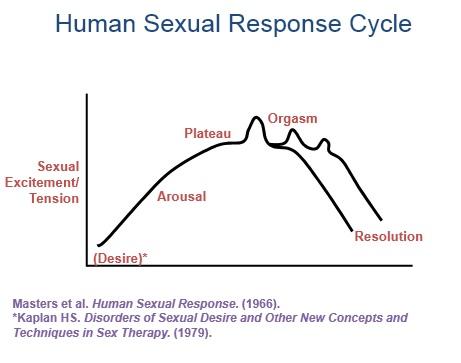
During the 1970s, researcher Helen Singer Kaplan included the category “desire” to emphasize the non-genital experiences that occur before orgasm.
Recently, some of the most exciting research around better understanding orgasms has been the discovery of different orgasm patterns! This study defines orgasm patterns as “a rhythmic pattern of pelvic floor movements that occur during climax.”
With around 50 users and over 3,500 sessions, the research team discovered three orgasm patterns.
The patterns are Ocean Wave, Volcano, and Avalanche.

According to the research, the ocean wave orgasm looks like the pelvic floor contracting and releasing multiple times. The volcano orgasm is one extended pelvic floor movement. The avalanche orgasm is a series of pelvic floor movements, but starts from a high, intense point and gradually relaxes, unlike the ocean wave.
Plus, to expand our knowledge around sex and aging, a recent study aimed to evaluate sexual activity and satisfaction as reported by ciswomen. The study found that 61% of women ages 18 to 24 experienced orgasm the last time they had sex, 65% of women in their 30s did as well, and about 70% of women in their 40s and 50s orgasmed the last time they were sexually active.
This could be due to better communication skills, increased confidence in the bedroom, and a better understanding of one’s body and sexual interests.
Last but not least, there is a lot of research surrounding the (not so obvious) health benefits that orgasms can have. We already named the yummy chemicals that orgasms release in the brain. It’s important to note that those chemicals offer many mental and physical health benefits (a major perk).
Orgasms also exercise different parts of our bodies, which can help improve overall health. Some of the other health benefits of orgasms include better sleep, less stress, pain relief, immune system boosts, regulation of the menstrual cycle, and a reduction of menstrual symptoms.
Orgasms can also improve the health of the reproductive system, work out your brain, improve bladder and pelvic floor control, boost your libido, and lessen the risk of cancer (primarily prostate cancer).
The more we learn important facts about orgasms, the more health benefits we discover—how cool is that?!
So what other important facts about orgasms do we know?
We’ve learned a lot about orgasms— including the different types, different patterns, how they age, and the many health benefits they have. But thankfully, there is still even more research happening as I type this article.
The sexuality field keeps rapidly expanding, so our knowledge of sex, sexuality, and gender keeps growing as well! YAY.
One of the best ways we can celebrate National Orgasm Day is to continue expanding our knowledge regarding anything in the realm of sex and sexuality.
We’ve come a long way, but there is still SO much more to learn (and that’s exciting).
Now, go experience some pleasure and all of the benefits that come with it!
If you want more writing like this, you can browse my posts on relationships , product reviews, mental health and sex.
Related support
If this article brought up something you want support with, these pages may be a helpful next step.
Want help applying this to your real life?
If this brought something up for you, you do not have to sort through it alone. Explore therapy, coaching, workshops, and learning options built around direct, inclusive, shame-free support.