DBT Group
Skills for relationships with real-life complexity
This group centers non-monogamous experiences while teaching practical DBT tools.
Details
A 20-week, structured DBT skills group for non-monogamous folks who want practical tools to regulate emotions, tolerate discomfort, and communicate more effectively, without needing to translate everything into monogamy-centered examples first.
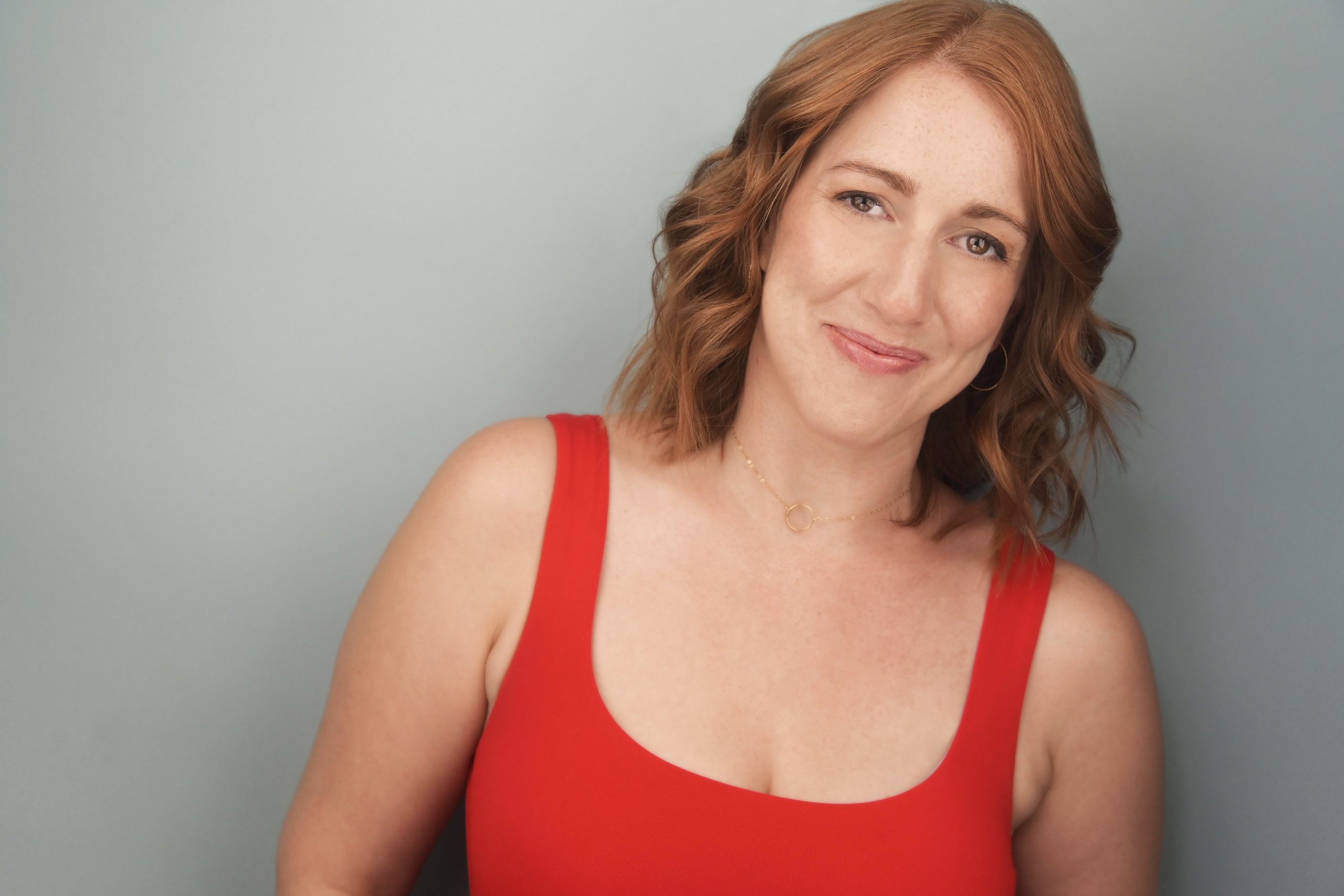
Facilitated by Rachel Wright, MA, LMFT
Mondays, 6:00–7:30pm ET
Starts March 9, 2026 *NEW*
Virtual DBT Skills Group (CA & NY residents only)
Closed cohort | 6–12 participants
New information re: investment, look below!
→ Apply for the DBT Skills Group!
What is DBT?
DBT, Dialectical Behavior Therapy, is an evidence-based therapy + skills model created by Marsha Linehan, focused on four core areas:
Mindfulness
Learning how to notice what’s happening without immediately reacting or getting pulled into stories.
Distress tolerance
Building the ability to get through intense moments without making things worse, especially when something cannot be fixed right away.
Emotion regulation
Understanding emotions, reducing emotional vulnerability, and responding in ways that align with your values rather than impulse.
Interpersonal effectiveness
Asking for what you need, setting boundaries, navigating conflict, and repairing ruptures without over-explaining, controlling, or collapsing.
DBT isn’t a how-to on suppressing emotions or being calm all the time — it’s about building your capacity and creating more space for intentional, aligned choices.
What This Group Is
This is a DBT skills group, which means it’s structured, educational, and focused on learning and practicing evidence-based DBT skills over time. The skills themselves are standard DBT skills. The difference between this group and other DBT groups is the lens through which we’ll learn and practice them.
All skills in this group are taught and practiced through non-monogamous examples, and non-monogamy is assumed in the room. Jealousy, comparison, multiple attachments, overlapping agreements, and repair across more than one relationship are not the odd man out here. Everyone, including your facilitator (me!), will be non-monogamous—so no explaining, defending, or educating about your relationship orientation or structure is needed.
This matters because DBT is already cognitively demanding. Removing the need to constantly adapt monogamy-centered examples enables deeper learning, better retention, and more real-world application, helping everyone learn more, be more present, and have what they learn apply to their lives immediately.
This group is not a support group, not a processing group, and not a comprehensive DBT program (which includes required 1:1 DBT therapy and more). It is skills-focused, structured, and intentional.
Who This Group Is For
This DBT Skills Group is a good fit if you are non-monogamous and want a practical toolkit to:
- regulate emotions more effectively
- tolerate discomfort and distress without spiraling
- reduce reliance on unhelpful coping strategies
- communicate more clearly and directly with partners, family, friends, and coworkers
- stay present during hard conversations rather than shutting down or escalating
Many people join because they understand what’s happening intellectually, but struggle to apply tools in the moment when emotions run high. This group is about building skills you can use across your entire life, not just in your romantic relationships.
Who This Group Is Not For
This group is likely not a fit if you are looking for:
- a low-commitment or drop-in group
- a processing-based support group
- non-monogamy education group
- crisis support or emergency care
- a space focused on changing your partners’ behavior
What a Typical Group Session Looks Like
Each 90-minute session follows a consistent rhythm, so learning can build over time:
- brief check-in & mindfulness exercise
- review of homework (you’ll get to hear how different people implemented the skill we learned the week before)
- teaching a new DBT skill
- in-session skills practice (sometimes we will skip this, depending on time)
- homework assignment for the week
Practice may include guided exercises, structured role-plays, reflection prompts, or the application of skills to real-life situations. You are never required to share personal details you are not comfortable sharing.
Time Commitment
This is a 20-week closed cohort, not a crash course. Most DBT skills groups last at least 6 months. This group is 20 weeks because I intentionally focused on the most impactful skills while still allowing enough time for repetition and integration.
Twenty weeks allow time for repetition, integration, and real-life application across all four DBT modules, rather than rushing or skimming.
Financial Commitment
Investment ranges from $2,200–$3,500 for the full 20 weeks.
Payment plans are available.
Sliding-scale spots are limited and by application.
Superbills are available for out-of-network reimbursement.
Due to a generous donation, I am able to open one scholarship spot — please note this on the application!
Additionally, I can accept a couple of insurance plans. If the financial commitment is what prevented you from applying before, it’s your time!
A required intake session is part of enrollment, and we can review every little detail to make this work for you (if you’re a good fit for the group) after you apply.
What’s the Application Process?
- Complete the Google Form application (applications close 2/24)
- If the application looks like you’re a good fit, schedule a 30-minute screening call (free)
- If accepted into the group, complete a 50-minute intake session ($200)
- Begin the group! (Group starts 3/9)
→ Apply for the DBT Skills Group!
Frequently Asked Questions
Do I need prior experience with DBT?
No, you don’t need any prior DBT experience or therapy experience to participate. All skills are taught from the ground up, with time for practice, repetition, and integration.
Is this a therapy group or a class?
This is a skills-based therapy group. It is structured, educational, and practice-focused rather than open-ended or process-based. While support naturally happens, the primary focus is learning and applying DBT skills.
Will this group focus only on romantic relationships?
No. While examples often come from non-monogamous relationship dynamics, the skills apply to all areas of life, including friendships, family, work, parenting, and internal self-talk.
Do partners apply together or separately? Can partners both be in the group?
Each participant applies and is screened individually. Partners may both apply, but acceptance is determined separately, and there is no guarantee that both partners will be offered spots.
What happens if I’m not a good fit?
If the group is not a good fit, I’ll let you know either after the application is submitted or directly after the screening call and, when possible, offer alternative suggestions or referrals that may better match your needs.
What if I become overwhelmed or emotionally activated during the group?
Emotional activation is expected at times when learning new skills. The group is designed to support regulation and skill use, and we’ll move through whatever is coming up. Note: If at any point it becomes clear that additional support or a higher level of care is needed, we will discuss next steps privately, with the goal of supporting you while maintaining safety and stability for the group.
What if I don’t live in California or New York?
Due to laws surrounding therapy and licensure, only residents of California and New York can enroll in this group (that’s where Rachel is licensed).
Is confidentiality guaranteed in a group setting?
I am legally and ethically required to maintain confidentiality. Group members are expected to respect privacy, but confidentiality cannot be fully guaranteed by group members. This and the limits to my confidentiality are discussed in detail in the informed consent. If you have any questions about this, we can talk about it during the screening/consultation call.
Can I contact other group members outside of sessions?
You are not expected to connect with other participants outside of group. If you choose to do so, it should be mutual, with consent and respectful. Group material, conflicts, and dynamics stay in the group. Using outside contact to process group issues, seek reassurance, or recruit allies is not permitted.
What happens if I need to stop coming to group before 20-weeks is up?
This is a firm 20-week commitment. If you choose to withdraw early, you are responsible for the remaining balance of your payment plan. If withdrawal is needed for clinical reasons, options will be discussed on a case-by-case basis.
How is payment handled?
This is a private-pay group. Insurance is not billed. Superbills are available upon request for out-of-network reimbursement.
Sliding scale spots are limited and offered based on availability and clinical fit.
What happens after I apply?
– You’ll be invited to schedule a 30-minute screening call.
– If accepted, you’ll complete a 50-minute intake session ($200) and select your payment option.
– After intake, you’ll receive enrollment materials, and then we’ll begin!
Interested in the next cohort?
Apply through the group form or contact Rachel’s team with questions about fit.