
In this article
Need a little support with this?
Rachel’s work is shame-free, direct, and grounded in therapy-informed tools for sex, relationships, and mental health.
Shame-free note: Use this article as a starting point, not a scorecard. Take what helps, leave what does not, and come back to the parts that deserve more care.
Why Valentine’s Day Can Feel So Loaded
Valentine’s Day intimacy ideas are everywhere this time of year, yet many people feel more pressure than connection when the holiday approaches. That pressure usually comes from a mix of cultural scripts, relational expectations, and personal narratives and history that converge on one date and ask you to perform for your love.
Culturally, Valentine’s Day centers on romance, sex, and grand gestures. The messaging is narrow: you should feel deeply in love, sexually available, creatively thoughtful, and emotionally synchronized with your partner. If you are single, you are expected to either reclaim the day as self-love, Galentine’s Day, or pretend it does not bother you. If you are non-monogamous, you may be juggling multiple partners and logistics. If you are parenting, you may be exhausted before the evening even begins. The script rarely accounts for any of the realities of complexity in our lives.
For some people, the day is loaded for deeper reasons. It may mark anniversaries of breakups, betrayals, fertility struggles, grief, or relational trauma. It can bring up questions about whether the relationship is working, whether intimacy has changed, or whether something is missing. A holiday that promises closeness can unintentionally spotlight distance. Pressure and a spotlight on distance? Wow, so fun.
It is also worth naming that desire does not operate on a calendar. Research on sexual response consistently shows that many people, especially in long-term relationships, experience responsive rather than spontaneous desire, meaning desire often follows connection and context rather than appearing out of nowhere (Basson, 2001). When the expectation is that you should already be “in the mood” because it is Valentine’s Day, that pressure alone can kill any arousal that’s present.
Stress compounds this. Chronic stress has been linked to lower sexual arousal and satisfaction, particularly when the body remains in a heightened physiological state (Hamilton & Meston, 2013). If you are burned out, underslept, or carrying the mental load at home, your nervous system is not primed for novelty and vulnerability. Even sleep disruption alone has been associated with lower sexual desire and reduced relationship satisfaction (Kalmbach et al., 2015).
In other words, your body’s capacity for pleasure and desire matters a lot more than the date on the calendar.
This is one of many reasons why expanding your definition of intimacy matters. When intimacy is reduced to penetrative sex, expensive gifts, or perfectly orchestrated romance, the margin for “doing it right” becomes painfully small. When intimacy includes different types of relationships, rest, emotional honesty, environmental comfort, parenting moments, and solo pleasure, the pressure begins to soften.
Before jumping into specific Valentine’s Day intimacy ideas, take a beat and ask yourself: What is actually loaded for me about this day? Is it expectation, comparison, exhaustion, longing, grief, or fear of disappointing someone? Naming the weight can reduce it. And if it’s not loaded for you? Great. Think about how you want to feel, and who or what you want to be connected to.
Valentine’s Day can become an invitation to choose connection more intentionally, not just with our romantic or sexual partners, but with ourselves, our kids, our homes, and so many other things with which we feel connection and intimacy.
Sexual Intimacy Ideas for Valentine’s Day
If sex is something you want to include in your Valentine’s Day intimacy ideas, it tends to go muuuuch better when you treat it like a co-created experience rather than a test you have to pass. Novelty can support that mindset because new experiences engage the brain’s reward-learning systems, including dopamine signaling related to anticipation, attention, and motivation, which is one reason small “newness” shifts can feel energizing even when you are not trying to reinvent your whole sex life (Schultz, 2016). Novelty doesn’t have to be some big extreme thing — I’m talking a change in setting, a slower pace, a different sequence of touch, a sensory element like music, warmth, or lighting, or a new category of stimulation can be enough to cue curiosity and help your body stay present.
Novelty Without Performance Pressure
Sex toys can also reduce performance pressure because they widen the menu of sensation and reduce the sense that pleasure has to come from one body part doing one job on one timeline. Here are two of my favorite companies (and two of my favorite products):
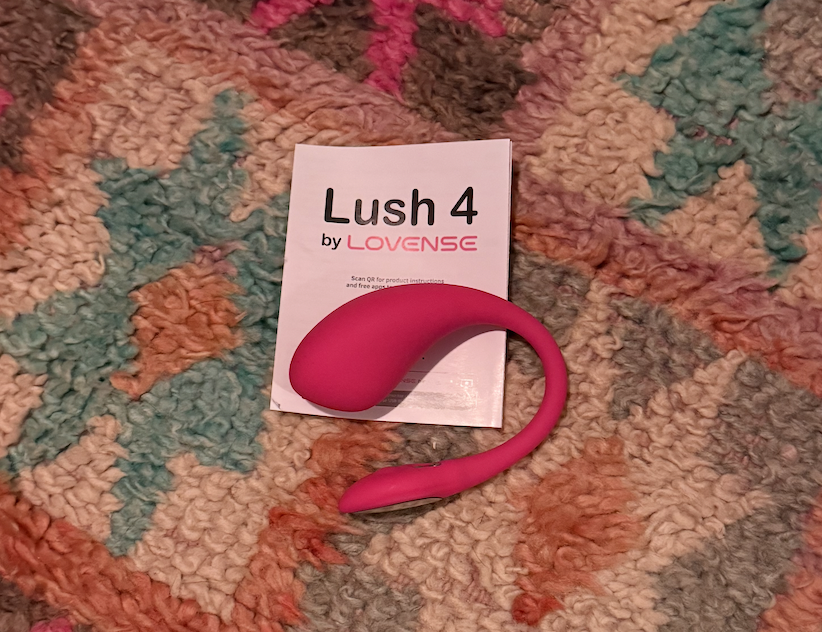
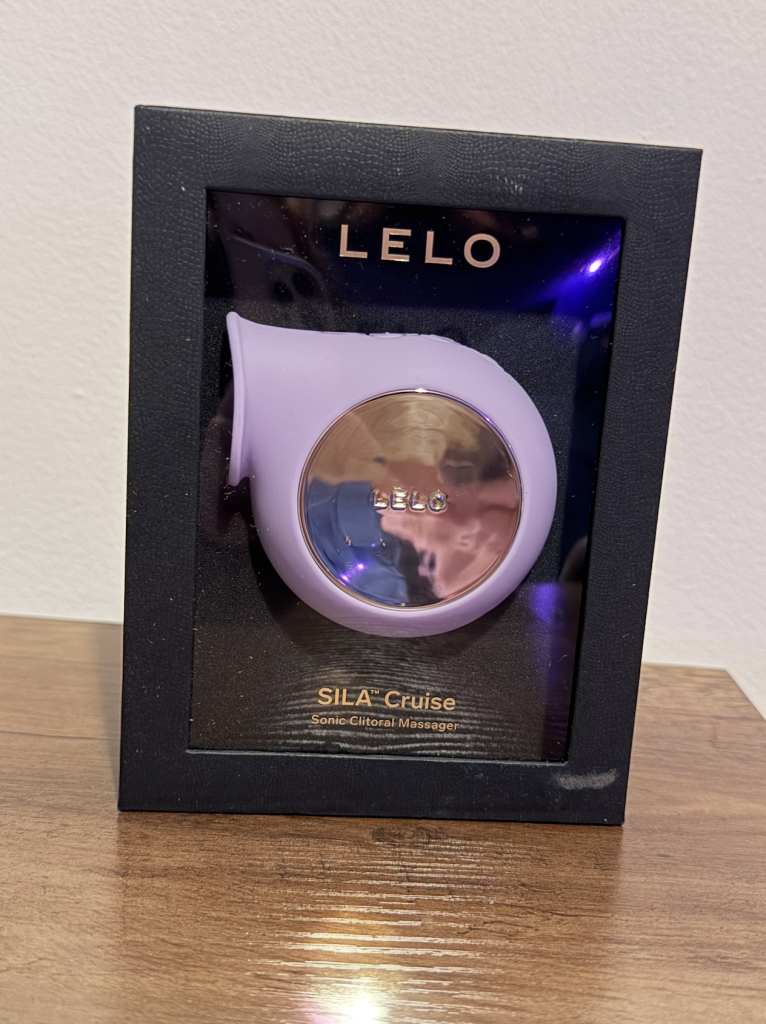
Lubrication as Emotional Safety
Lubrication is another lever that reduces pressure in a very practical way, since arousal and lubrication are influenced by stress, hormones, medication, sleep, and context, and discomfort can quickly pull someone into their own head. Lube reduces friction, which lowers the likelihood of pain and distraction, which alone can make it easier for desire to build as the body warms up. Research on lubricant use proves what we know — it’s associated with greater comfort and pleasure for many users (Herbenick et al., 2011).
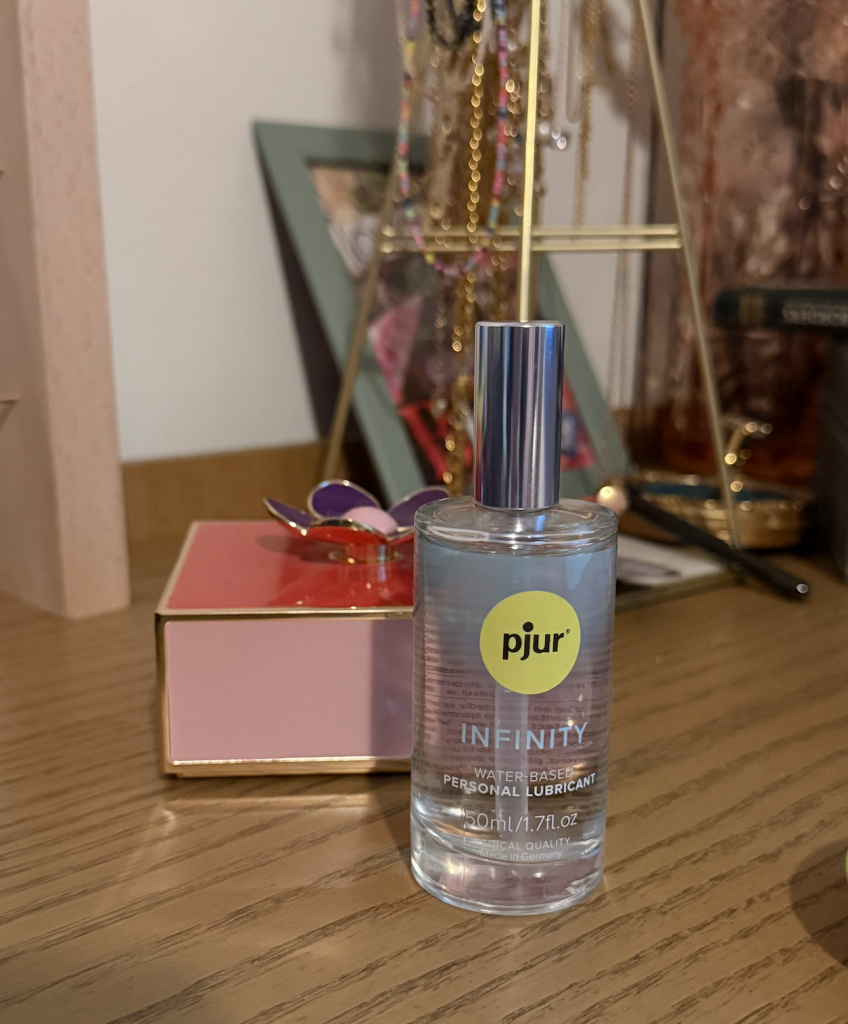
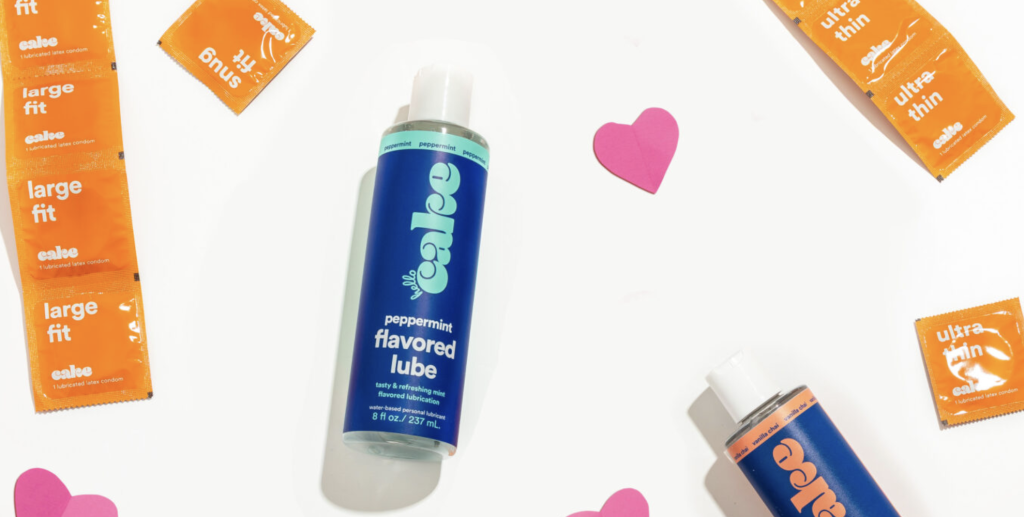
The point of all of these tools (toys + lube) is to lower anxiety, increase comfort, and create conditions where arousal can build through context and connection.
Valentine’s Day Intimacy Ideas That Go Beyond Sex
Intimacy is about closeness and attunement, not just physical contact. I often hear the word intimacy used synonymously with sex, but the truth is, it can look like a vulnerable conversation, a shared ritual at home, intentional rest, co-creating a comfortable environment, playful curiosity, or tending to your own body with care. Broadening the definition gives you more options and more agency. So, instead of asking what you are supposed to do, you can ask what kind of connection would actually feel meaningful in this season of your life.
Rest as Relationship Maintenance
Rest is rarely marketed as romantic, yet it functions as infrastructure for intimacy. When people are sleep deprived, their distress tolerance drops, emotional reactivity increases, and small relational ruptures escalate faster. Research consistently shows that poor sleep is associated with lower relationship satisfaction, greater conflict, and reduced sexual desire, in part because sleep loss impairs emotion regulation and increases negative affect (Gordon & Chen, 2014; Kalmbach et al., 2015). When your nervous system is depleted, your capacity for curiosity, generosity, and erotic engagement narrows.
Sleep also influences libido in less obvious ways. Hormonal rhythms, mood stability, and energy regulation are tied to sleep quality, which means inconsistent or insufficient rest can make desire feel unpredictable or even absent.
If you want Valentine’s Day intimacy ideas that actually support connection, start by protecting the environment where connection is most likely to happen. Your bedroom isn’t just the place where sex occurs; it’s where the nervous system downshifts. Breathable, temperature-regulating bedding like SIJO can contribute to more comfortable, uninterrupted sleep, which, in turn, supports emotional steadiness and sexual access the next day.

This is my SIJO FlexCool Memory Foam Pillow and I’m obsessed with it. It comes with memory foam chards to put more in to customize the thickness.
Who SIJO is for: burned-out parents or high-achieving partners who need actual good sleep in their bedrooms.
Rest also includes how you tend to your body before you ever initiate intimacy. Warm baths have been shown to promote relaxation and activate the parasympathetic nervous system, which can support both sleep and stress reduction. Incorporating something like Momotaro’s Organic Botanical Bath Soak for vulva and intimate care can turn a bath into intentional body care rather than a rushed hygiene task.
Momotaro Apotheca is a certified organic and cruelty-free vulvovaginal care line that supports your body’s natural ability to heal.
Who Momotaro is for: people with vulvas who want soothing, plant-based support for irritation, postpartum recovery, or general intimate care as part of winding down.
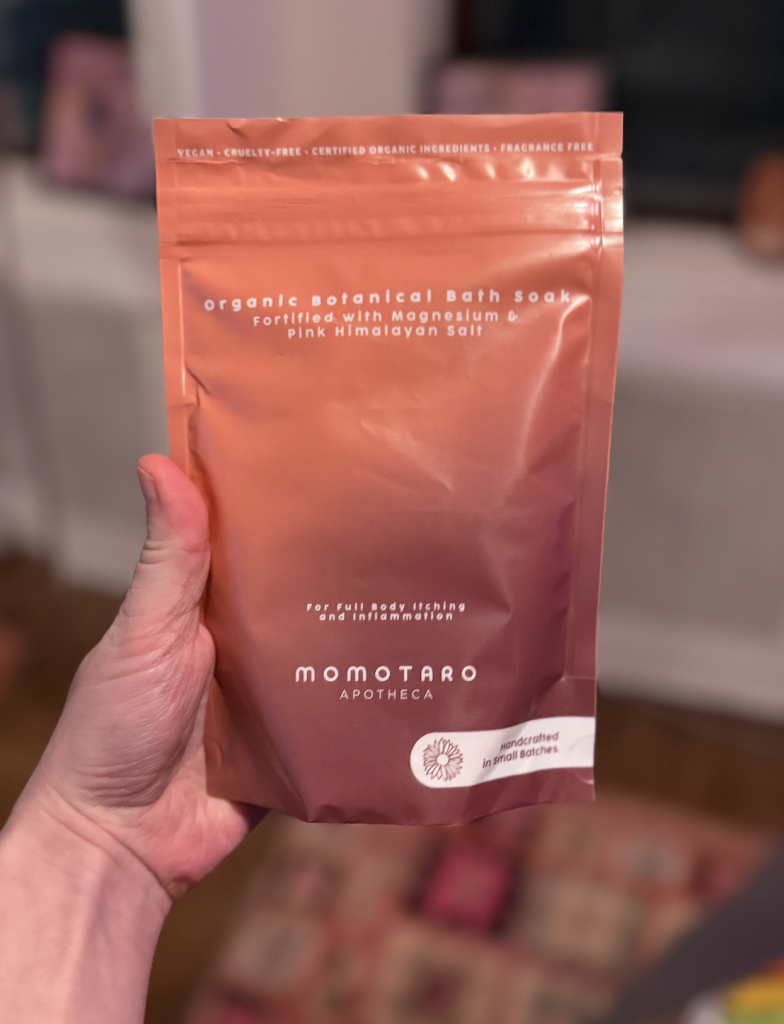
Think of rest and body care as both self- and relational-maintenance rather than some indulgence.
Home Environment and Emotional Safety
Your physical environment communicates with your nervous system long before you consciously register it. Lighting, texture, temperature, noise, and visual clutter all act as cues of safety or activation. Environmental psychology research has consistently shown that cluttered, chaotic spaces are associated with elevated stress markers and increased cognitive load, which makes emotional regulation and attuned conversation more difficult (Saxbe & Repetti, 2010). When your home feels overstimulating, your body stays slightly braced—physiologically.
Ritual spaces create predictability. For example, a specific corner where you drink tea together, a rug where your kids pile up for story time, a couch that becomes the designated repair conversation spot — these environmental anchors help the body associate certain places with connection and closeness. Predictability reduces threat signaling, increasing the likelihood of vulnerability and openness. (Are you starting to see a pattern here?)
If you are thinking about Valentine’s Day intimacy ideas that extend beyond one night, consider how your home supports or undermines connection. Grounding elements like Revival Rugs can shift a room’s feel from purely functional to intentionally warm, providing a physical foundation for shared rituals, conversations, and floor-level play with kids or partners.

Reveal of the rug in our room to come soon…
Who Revival Rugs is for: Who this is for: people who want their home to feel grounded, warm, and conversation-ready rather than purely functional.
This is not about aesthetics for aesthetics’ sake, although that’s great too (check out my wife’s Instagram @ash_thetics_nyc), it’s about designing an environment that supports nervous system downshifting, grounding and shared presence. Intimacy has way fewer barriers to get over when your space cues safety in you.
Parenting, Body & Emotional Literacy
Valentine’s Day often centers romantic love, yet children are always watching how connection and love are actually practiced in action at home. They learn about intimacy through what we model: how we name feelings, how we respond to boundaries, how we repair after conflict, and how we talk about bodies. Research on emotional socialization shows that when caregivers consistently label emotions and respond with attunement, children develop stronger regulation skills and relational competence over time (Morris et al., 2007). Modeling consent and emotional awareness isn’t a one-time conversation; it’s a pattern that we need to repeat for our kids.
Luckily for us, there are tools that can support that pattern. Slumberkins offers story-based resources that reinforce emotional vocabulary, self-worth, and regulation in developmentally appropriate ways.
Who Slumberkins is for: parents intentionally raising emotionally literate kids who want tools that reinforce regulation and self-worth.
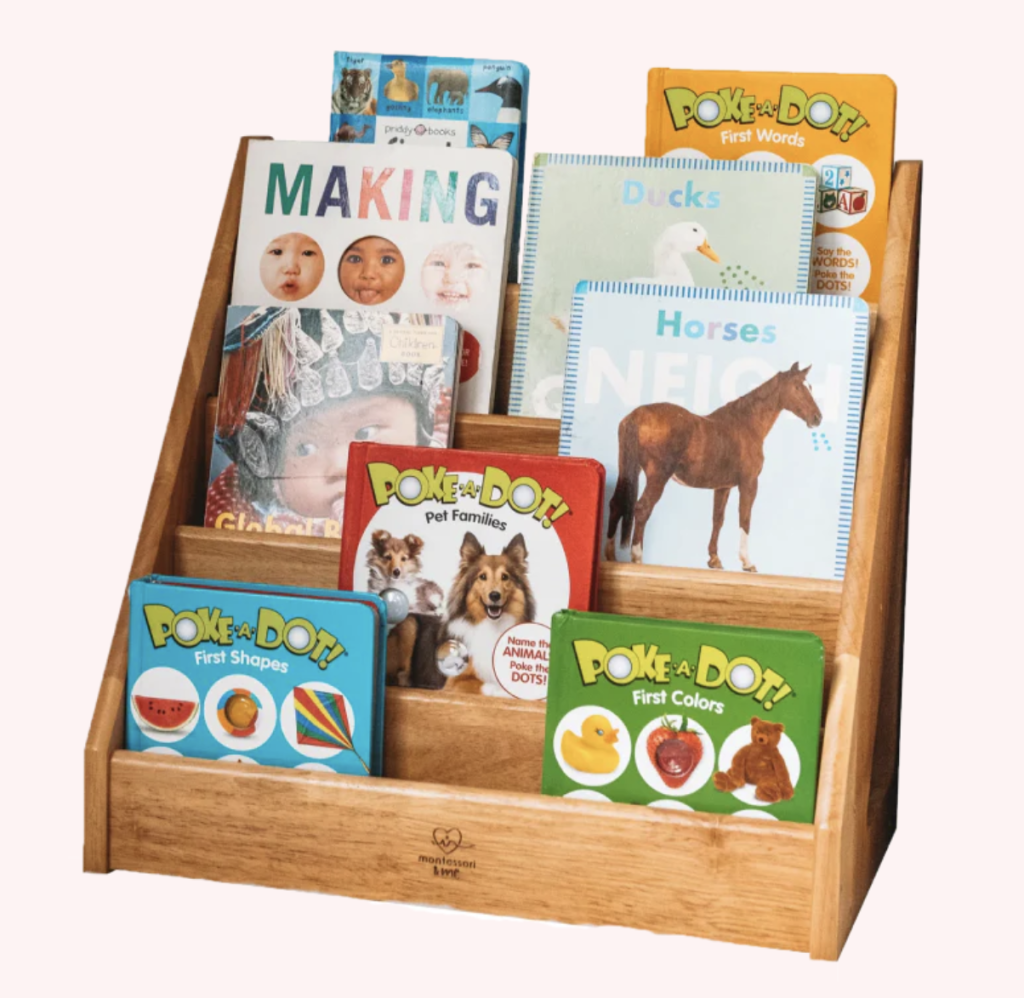
Body literacy is also part of supporting this pattern. When children grow up hearing neutral, matter-of-fact language about anatomy, feelings, privacy, and other normal bodily functions, they internalize that bodies are worthy of care rather than shame. The physical setup of your home reinforces that message. A child-height bookshelf like the one from Montessori + Me keeps books about feelings, bodies, consent, and diversity visible and accessible rather than tucked away, which signals that these conversations are welcome.
Who Montessori & Me is for: caregivers who want their home environment to reinforce autonomy, curiosity, and open dialogue.
One more tool? Normalizing menstrual care in the home is another form of modeling. Treating periods as ordinary rather than secretive communicates that bodily processes are not embarrassing or inappropriate. Integrating products like CORA in a matter-of-fact way, rather than hiding them or whispering about them, supports a culture of body literacy and reduces stigma over time.
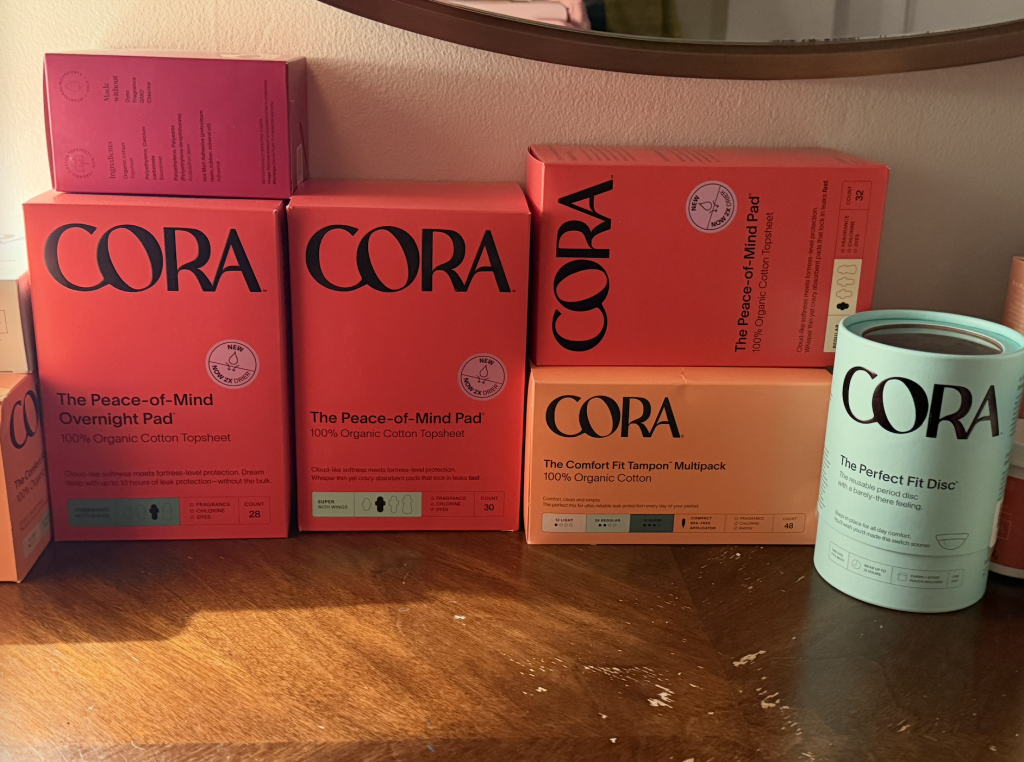
Who CORA is for: anyone who wants to use ethically made, clean period products while normalizing cycle care and reducing shame around menstruation in their home.
Intergenerational intimacy means recognizing that the way we handle emotions and bodies today shapes how the next generation will experience connection tomorrow.
How to Choose the Right Kind of Intimacy This Year
After reading through these Valentine’s Day intimacy ideas, the most important step is to take a beat and ask yourself what your hope or intention for intimacy is, not just for Valentine’s Day, but in general. It’s not just about choosing a product or a plan; it’s about the intention that guides you to the right next steps for yourself. Intimacy can mean different things to different people depending on season, stress level, relationship stage, and personal history. What felt exciting one year may feel overwhelming the next, and what felt distant before may feel grounding now.
Start by asking yourself what you actually want, not what you think you should want. Are you craving erotic energy, emotional closeness, rest, playfulness, novelty, reassurance, solitude, or something else entirely? The answer may surprise you.
Then consider your current capacity. What do you realistically have energy for? If your nervous system is stretched thin, choosing something simple may be far more connective than attempting something elaborate. Intimacy tends to deepen when it matches your current bandwidth rather than exceeding it.
Next, ask what kind of connection feels nourishing right now. Do you want depth, lightness, reassurance, exploration, structure, spontaneity, comfort, or stimulation? Clarity about the feeling you want often makes the logistics easier.
Finally, ask what would lower pressure rather than increase it. If a reservation, gift exchange, or performance expectation adds stress, it may not be the right fit this year. If a quiet night, a shared ritual, or a slow conversation feels grounding, that may be the better choice.
Choosing intimacy intentionally shifts the focus from doing Valentine’s Day correctly to experiencing it in a way that reflects your actual life.
Final Thoughts on Pressure, Performance, and Connection
Intimacy is a practice of attention, responsiveness, and care. Valentine’s Day can amplify existing dynamics, yet it can also offer a contained moment to realign with what connection and intimacy mean to you.
You’re allowed to redefine the holiday or lean into the Hallmark of it all. You’re allowed to opt out of scripts that do not fit your values or capacity. You are allowed to make it sexual, non-sexual, playful, quiet, family-centered, solo, or something else entirely.
If intimacy consistently feels tense, distant, or confusing, working with a licensed therapist or coach can help you untangle patterns and build skills that last beyond one holiday. You can also explore the educational resources linked throughout this post for deeper dives into desire, communication, and emotional safety.
Happy Valentine’s Day, friend. I can’t wait to hear what kind of intimacy you strove for this year.
References
Basson, R. (2001). Using a different model for female sexual response to address women’s problematic low sexual desire. Journal of Sex & Marital Therapy, 27(5), 395–403.
Gordon, A. M., & Chen, S. (2014). The role of sleep in interpersonal conflict: Do sleepless nights mean worse fights? Social Psychological and Personality Science, 5(2), 168–175.
Hamilton, L. D., & Meston, C. M. (2013). Chronic stress and sexual function in women. The Journal of Sexual Medicine, 10(10), 2443–2454.
Herbenick, D., Reece, M., Sanders, S. A., Dodge, B., Ghassemi, A., & Fortenberry, J. D. (2011). Women’s vibrator use in sexual partnerships: Results from a nationally representative survey in the United States. The Journal of Sexual Medicine, 8(7), 1866–1876.
Kalmbach, D. A., Pillai, V., Kingsberg, S. A., & Ciesla, J. A. (2015). The transactional association between insomnia and sexual function. The Journal of Sexual Medicine, 12(10), 2298–2307.
Morris, A. S., Silk, J. S., Steinberg, L., Myers, S. S., & Robinson, L. R. (2007). The role of the family context in the development of emotion regulation. Social Development, 16(2), 361–388.
Saxbe, D. E., & Repetti, R. L. (2010). No place like home: Home tours correlate with daily patterns of mood and cortisol. Personality and Social Psychology Bulletin, 36(1), 71–81.
Schultz, W. (2016). Dopamine reward prediction error coding. Dialogues in Clinical Neuroscience, 18(1), 23–32.
Related support
If this article brought up something you want support with, these pages may be a helpful next step.
Want help applying this to your real life?
If this brought something up for you, you do not have to sort through it alone. Explore therapy, coaching, workshops, and learning options built around direct, inclusive, shame-free support.