

In this article
Need a little support with this?
Rachel’s work is shame-free, direct, and grounded in therapy-informed tools for sex, relationships, and mental health.
Shame-free note: Use this article as a starting point, not a scorecard. Take what helps, leave what does not, and come back to the parts that deserve more care.
Eye Movement Desensitization and Reprocessing (EMDR) therapy, among many other things, helps high-level athletes and executives break past performance blocks and unlock their true capacity. Like them, you can use this tool to overcome paralyzing indecisiveness, imposter syndrome, and fear of failure. It can enable you to rise above whatever is in your way and achieve your goals.
What is EMDR therapy?
EMDR is a powerful therapy that relies on the nervous system’s innate ability to heal. An EMDR therapist works with the client to identify their specific blocks and uses a researched protocol to target the experience. The client is asked to focus on the images, thoughts, feelings, and sensations that accompany that block. Meanwhile, bilateral stimulation is provided. Bilateral stimulation (BLS) can be provided through eye movements, tapping, or alternating tones. It is a way to help the nervous system process information. EMDR treatment helps work through past stressful or traumatic experiences, present-day blocks, and even future anticipatory events.
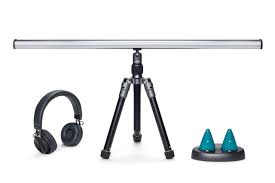
While BLS may sound strange, much research supports its use as a key component of effective EMDR therapy. BLS helps both hemispheres of the brain to integrate information. It also works by taxing working memory, by causing a distraction from the memory or a block. This distraction effect results in a distressing memory or anxiety-producing block losing its emotional charge. It’s a well-researched technique that has a significant impact on neurobiology.

Why EMDR can help us get out of our heads
Our past experiences can create blocks that hinder our success. Trauma, embarrassing moments, experiences that felt like “failure,” or receiving harsh criticisms can trip us up. When past experiences get in our way, we can encounter situations in the present that trigger all that past yuck. We’re giving a presentation at work, and some part of us feels like we’re in middle school again. We remember getting shamed by our teacher for a bad performance on a math test. Or we can’t stop thinking we’re going to fail at something because that’s what our parents used to tell us.
The past influences the present. This is how the nervous system is built and how our memory systems work. If there are past experiences that feel “unresolved,” we can re-experience them in the present through ruminating thoughts, anxiety, overwhelm, catastrophizing, sleep disturbances, panic attacks, and negative self-talk. If you’re a high performer and you feel tripped up by any of these symptoms, EMDR can help you get out of your head and back into the game.
How mental blocks get in our way
Some common issues people bring to EMDR therapy are performance blocks, fear of failure, doubts about their self-worth, and competition anxiety. These issues can affect anyone, but they especially impact high-performing individuals who must be at their best under pressure.
In business and sports, blocks get in the way of our success. Blocks can be internal, external, or a combination of the two. For example, past traumatic experiences often set up recurring negative memories. If you failed at a goal before, you are likely to remember that moment just as you attempt a similar challenge. Just when your mind should be clear and focused, it becomes hijacked by intrusive thoughts. These thoughts trigger your body’s physical fight-or-flight symptoms, such as shallow breathing, shaking, and rapid heart rate.
Whether you’re an athlete or an entrepreneur, clearing your mind is the key to being more successful. As a professional, you can use EMDR therapy to address blocks that occur while speaking in front of a crowd, negotiating with clients, or asking for a raise. As an athlete, you can use EMDR therapy to address performance blocks resulting from fear of failure and competition anxiety.
How EMDR can help with professional challenges
When you’re working at your best in any field, your body is relaxed and balanced; you feel confident and capable. Your mind is clear of distractions or negativity, and you’re focused on what matters most. This feeling is how you were born to operate, but sometimes work deadlines or the stress of family life get in the way of accessing this state of optimal performance.
Your first step is finding a licensed therapist trained in EMDR. You can easily start this process by contacting your primary care provider or by searching online. Talk to your therapist about your goals and ask whether they have worked with patients who have experienced similar blocks.
Together, you’ll determine if EMDR is the right fit and identify the specific memories to target with the EMDR protocol. This life-changing therapy has impacted hundreds of thousands of clients worldwide. It can be a game-changer for you and your success.
If you want more writing like this, you can browse my posts on education, relationships, mental health and sex.
Related support
If this article brought up something you want support with, these pages may be a helpful next step.
Want help applying this to your real life?
If this brought something up for you, you do not have to sort through it alone. Explore therapy, coaching, workshops, and learning options built around direct, inclusive, shame-free support.