
In this article
Need a little support with this?
Rachel’s work is shame-free, direct, and grounded in therapy-informed tools for sex, relationships, and mental health.
Shame-free note: Use this article as a starting point, not a scorecard. Take what helps, leave what does not, and come back to the parts that deserve more care.
Breakups are the fucking worst— let’s just call them what they are. They’re often hard, confusing, messy, and painful. While simultaneously, they’re completely necessary. Today, we’re talking all about how to have a healthy breakup.
Our society has created stigmas around breakups that add a little extra shame in the mix. Whether we’re getting broken up with, or even when we do the breaking, it’s there. We typically feel as though we’ve failed, aren’t good enough, and that for a breakup to be necessary, something has to be obviously wrong with the relationship (or the people we’re breaking up with).
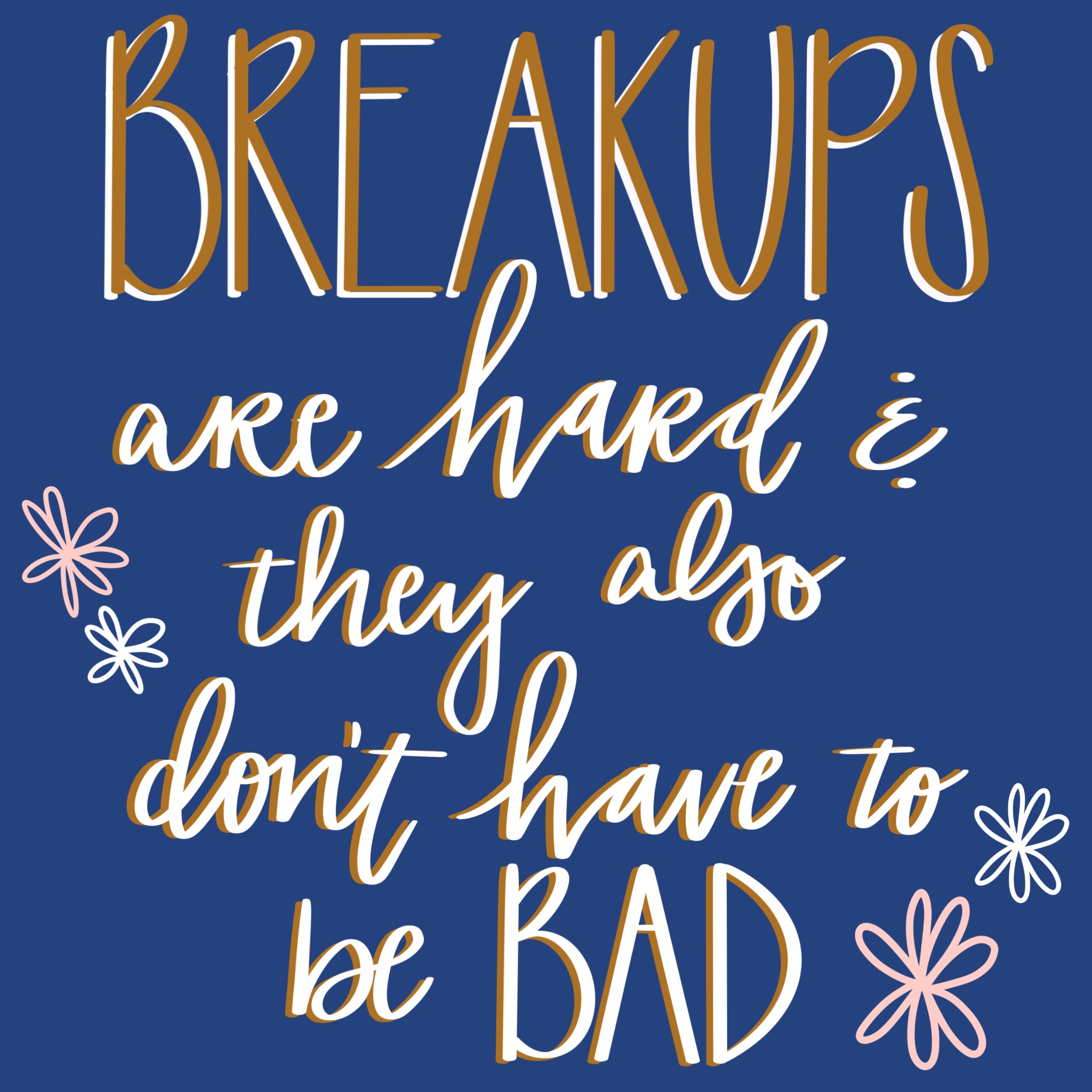
We’re scrapping all those stigmas today, because, guess what? Breakups are complicated, and they also don’t have to be bad.
Breaking Up With Our Idea of Breakups
I hope you aren’t married to your view of breakups, because I actually think we need to have a little breakup with how we think about “breakups.”
Once again, I’m taking it back to the media (isn’t it wild how we seem to always come back around to the media?). We typically see breakups portrayed in two ways:
- The ended relationships are viewed as failures.
- Something was “wrong” with the main character or with the person they were dating— like, obviously wrong. It was always a characteristic so silly, and the main character is left feeling ashamed for being themselves.
But here’s the thing: Neither of these stigmas is true! Let’s get into why.
Why dating shouldn’t be seen as a successful life marker
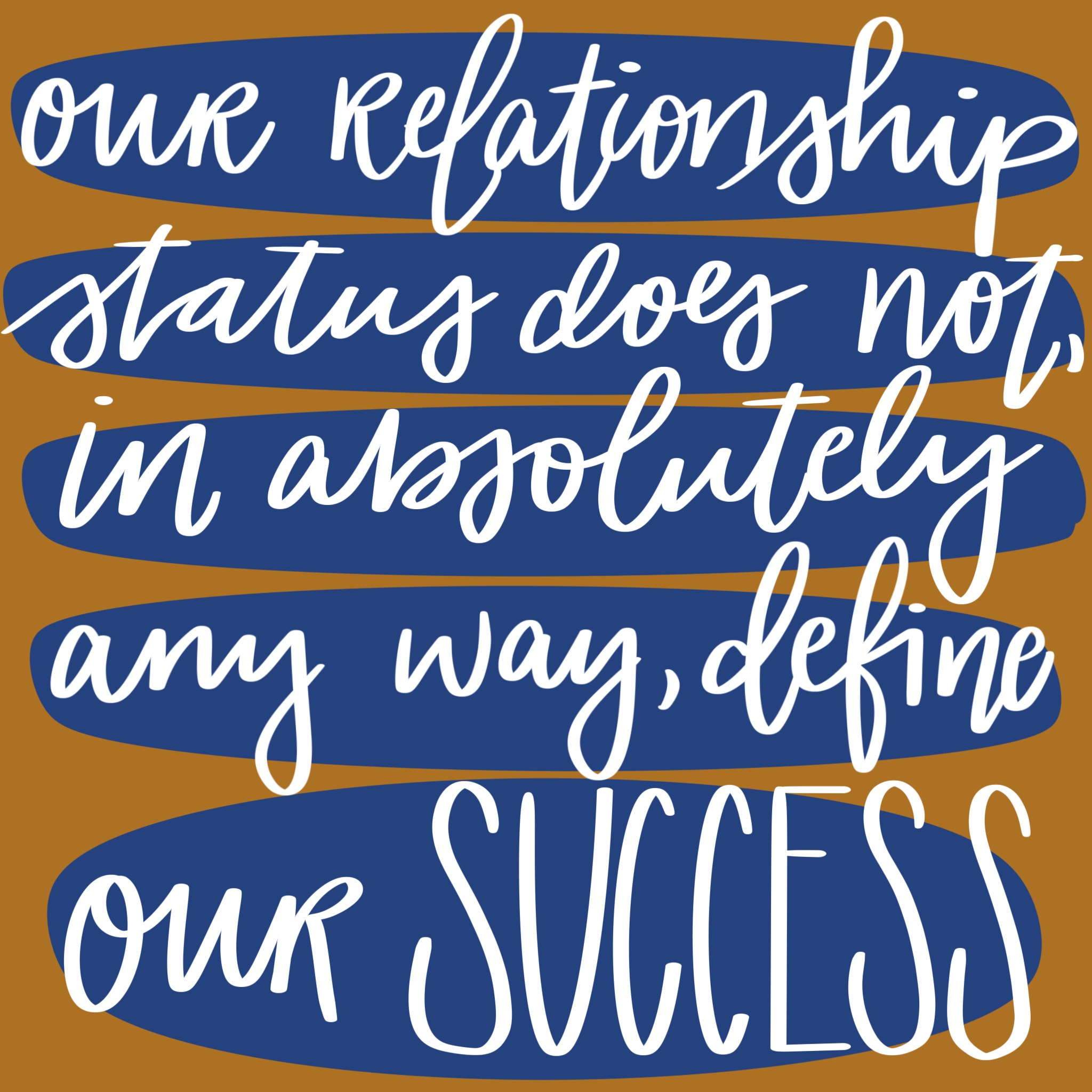
Oh, how excited I am to dive into THIS topic! Our society has labeled “relationships” as one of the tiers of a successful life. Here are the real facts: relationships (of any capacity) are essential, but our relationship status does not, in absolutely any way, define our success.
Whether you are married for 50 years or never marry or live with a life partner (whom you never marry) or have many life partners— this doesn’t add or take away from your innate human value (like, not even a little bit).
Back in the day, when the world was far more sexist and gender roles were firmly in place, it was almost mandatory for people to marry to live a sustainable life. Women literally had to marry to be given a stipend (by their husbands), property (to live on with their husbands), and social status (to, once again, survive). They would also need children to appease their husbands & society, and even to gain workers for their livelihood.
Now, we marry because we want to— we marry for sex, love, partnership, connection, convenience— you name it! Thankfully, the world doesn’t function quite as it did anymore. Most of us have the freedom to be more independent and design our own lives. Marriage isn’t needed to survive anymore, and we are much freer to create whatever relationship dynamic we please. It’s not a marker for financial or business success anymore, so why is it still a marker for societal success?
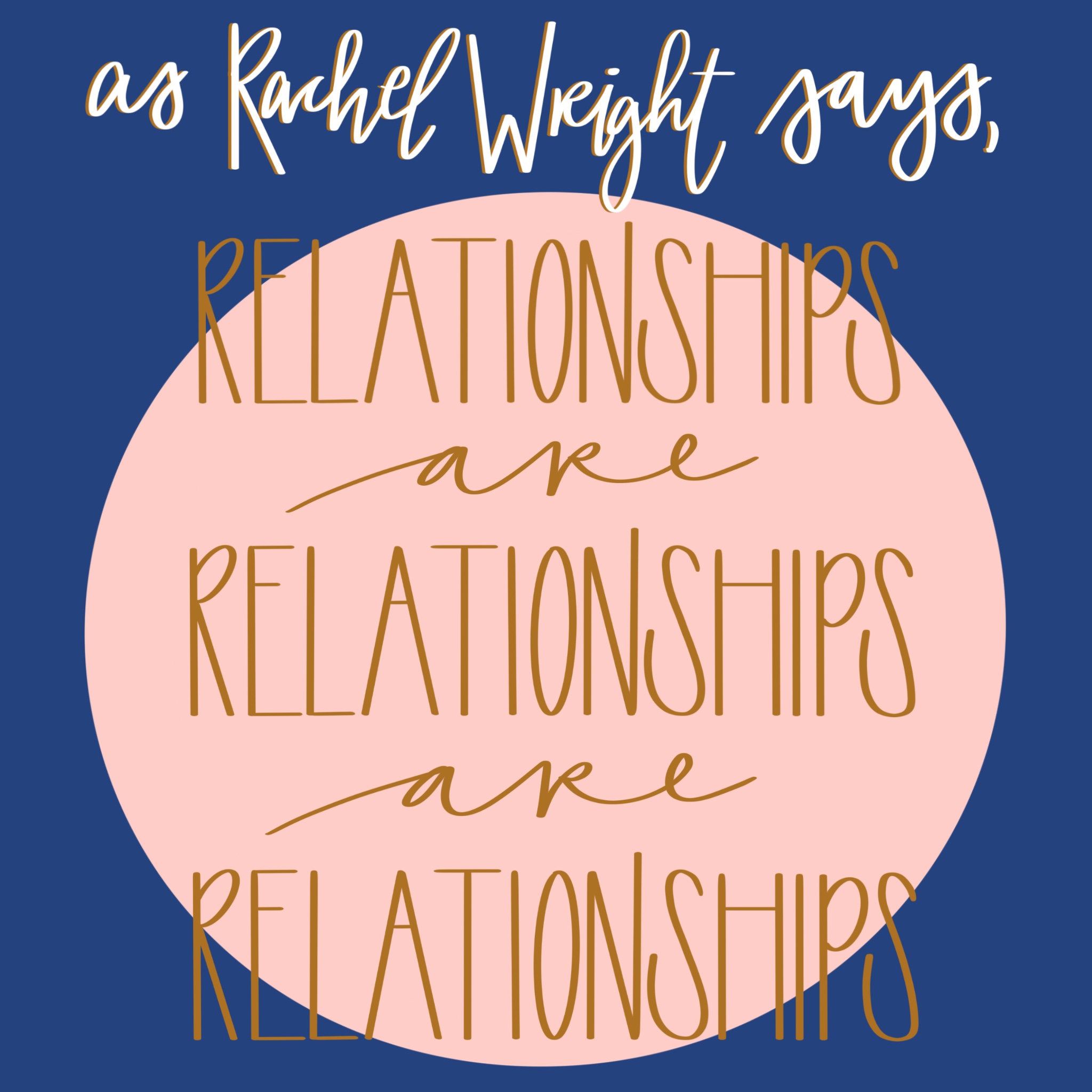
There seems to be this idea that being alone means nobody wants to be with you. Or, that being in relationships means someone loves you, thereby somehow increasing our innate value. Doesn’t that sound silly to you? When, in reality, friendships, family, and sexual partners are relationships. As Rachel Wright says, “Relationships are relationships are relationships.” And ALL relationships matter.
Breakups aren’t bad!
Because marriage & long-term relationships are still being considered a sign of life success—another stigma we deal with is that if we are single we are somehow less valuable than people in relationships.
This mentality automatically makes breakups feel like absolute failures when in reality, they are major wins. Let’s talk this through:
Because society labels breakups as “failed relationships,” it makes those who do the breaking up feel like failures, while also leading people in relationships to be praised for being in them (even when they may not be stoked to be). That societal praise is overwhelming and feels kinda wonderful (obviously), so it’s confusing to know if it’s love or possibly just gratification.
Then, when we figure out that maybe it was just that gratifying feeling and you don’t necessarily love the person you’re with (which is different than loving being in a relationship—or the feeling of being loved by another person)—that breakup then becomes an acceptance that you and your partner deserve to love someone and be wholeheartedly loved in return truly.
To clarify, by “deserve” we mean: we might want different things, we might want more communication, we might want different lifestyles— I think, even if it feels true, it’s problematic to label people as “not good enough.” We deserve to experience these beautiful parts of being human healthily; we do NOT deserve people.
Society isn’t really a fan of us feeling like we deserve, well, anything… We’re taught that we have to work for everything. So this is when that shame-y feeling can start to kick in when you want to initiate a breakup.
Conversely, maybe you do really love the person you’re with, but something just isn’t working out, and you’re ready to let it go. This is totally just as valid! AND— not only is it a valid reason to break up, but society doesn’t really like this either— because you’re, once again, prioritizing YOUR happiness. And let me tell you—I’ve been in this EXACT situation, and it was brutal.
My partner and I love each other very much, and when we broke up a few years ago to prioritize our personal growth, people didn’t know how to respond. I would explain that nothing was “wrong” or that nothing “bad” had happened— we just simply wanted to take some space to reevaluate, and explore being single for growth purposes (not that you can’t grow with a partner— you absolutely can!). This confused the heck out of people! They would respond by saying, “No, but what really happened?” As if I was hiding some serious beef!
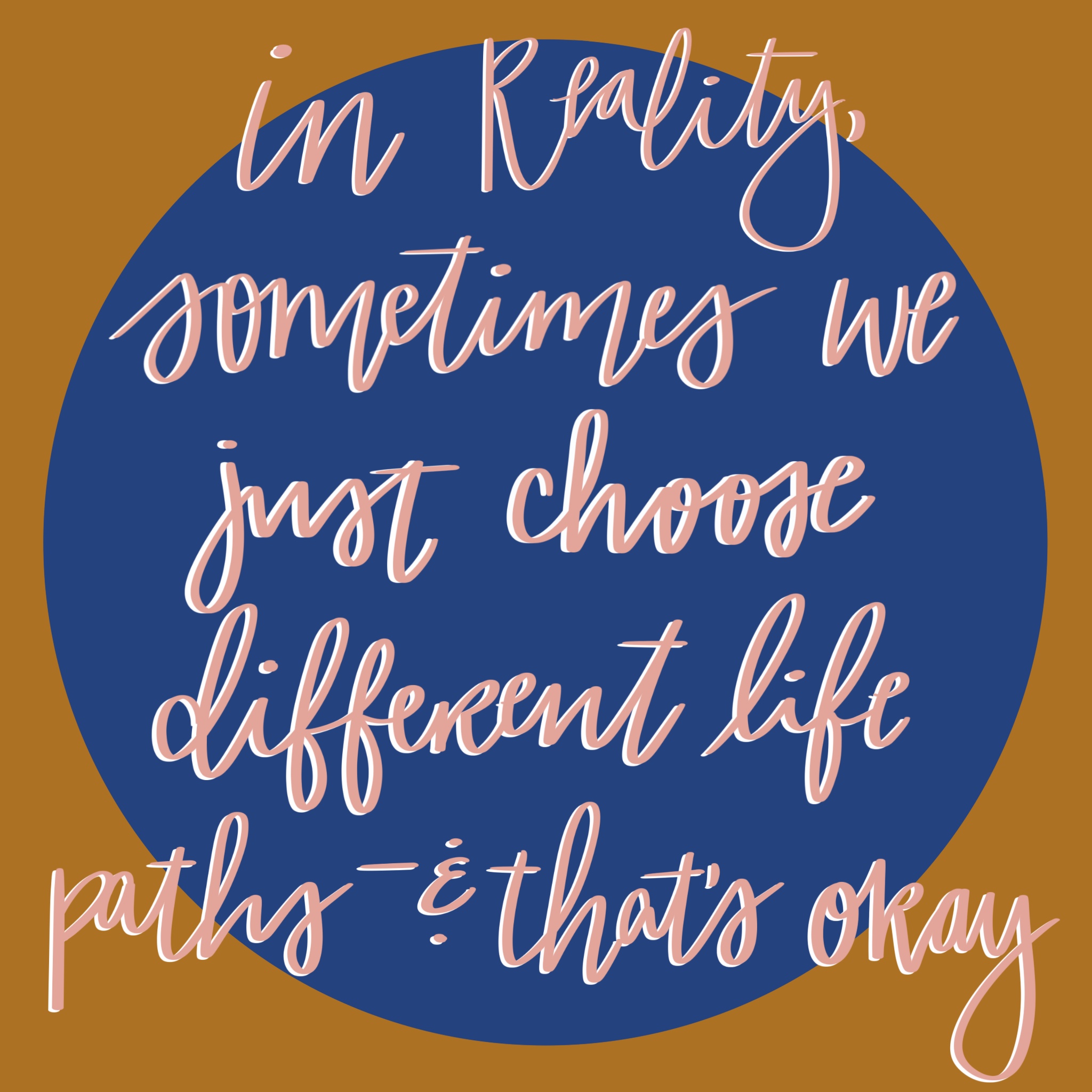
This honestly made me feel like I had to create problems that didn’t exist, or did exist but weren’t major problems, just to feel like my breakup was “valid.” This kind of response from people makes our brains think there must be something wrong for us to leave someone. When in reality, sometimes we just choose different life paths—and that’s okay.
I don’t know about you, but I would call prioritizing your happiness and overcoming ridiculous societal expectations a MAJOR win for you & for whoever you are breaking up with.
Seriously… Breakups aren’t failures!
Any decision that ultimately makes you happier, feels like you are honoring YOU, and is best for all people involved, is a successful decision.
Relationships aren’t inherently the best decision; commitment isn’t inherently the best decision; and breakups aren’t inherently a bad decision or a sign of not being “good” in relationships—most things aren’t that black and white.
In fact, most things are a massive ‘AND’ situation (again, thank you, Rachel Wright). Meaning, if you are honestly communicating with partners and a breakup feels like the right decision— that’s success, baby.
It’s hard to navigate those emotions and then get the confidence to talk about them with someone when you know it will hurt them. Honestly, we need to support people who are in this uneasy place—it’s so hard to know that you might hurt someone and that this is also what you have to do to BE HAPPY. This leads us to how to deal with being on the receiving end of a breakup.
Why breakups aren’t as personal as they feel
A breakup doesn’t have to happen because one partner has an obviously “bad” characteristic. Sure, sometimes there’s a characteristic of our partner(s) that’s a deal-breaker for us but typically, we find those deal-breakers out before we’ve even really started a relationship. Most of the time, breakups come down to lifestyle, timing, and differing commitment levels—it typically has nothing to do with us as people.
I get it—it’s so, so normal to take breakups personally— they indeed feel SO personal. However, think about the times you’ve broken up with someone. It’s likely because of one of those three things. We don’t tend to be in relationships with people whom we don’t already like (at least a little bit), so ultimately it comes down to logistics, right? It’s never usually as personal as it feels.
The real problem is that we weren’t taught how to break up with each other. We were shown in movies and TV shows that it needs to be a dramatic blow-up or relatively insensitive, where the couple hates each other after, there generally isn’t an in-between. Breakups don’t have to be this way (I know, shocking). Yeah, it might hurt and be hard, but breakups can be a calm discussion and simpler than you might think. This brings me to communication—our fav topic!!
Communicate, communicate, communicate
This might seem like a no-brainer, but let me break it down even further.
We’ve heard it in countless romcoms, “It’s not you, it’s me.” Or “I just really need to take some time to work on myself.” These can all be true AND absolutely unhelpful when it comes to giving someone we are breaking up with peace (or if you’re the person being broken up with, it can feel like it is absolutely, 100% a cop-out to the real reason for the breakup).
I think what we don’t typically talk about is how vulnerable it is to break up with someone. It can often be because of something we are personally struggling with, mental health, compatibility, etc.— breaking up with someone takes guts. It’s true. AND breakups will always be so much better when we give our honest whys and communicate with our partners.
Here are some examples:
- Struggling with your mental health & want space? Instead of, “I really just need to take some time to work on myself,” try—“I don’t feel like I have the bandwidth for a relationship right now. I’m struggling with my mental health and feel like I need to prioritize that & take care of myself right now. I love connecting with you, but I don’t have the capacity to be in this relationship in the ways I want to be right now.”
What’s an appropriate response if someone says this to you?
There are two things to remember: 1. Take care of yourself and your needs, while also 2. Respecting the space this person is asking for and thanking them for their vulnerability. This may look like saying, “Thank you for being honest with me— I know that took a lot of courage to say. I am sad to be ending this relationship, but I also want you to do what’s best for you.”
- Instead of saying, “It’s not you, it’s me,” try saying— “I have loved our time together and enjoy what you add to my life, AND I’m also feeling like this relationship isn’t the best for me right now. It has nothing to do with you and what you bring to the table— this is truly that I’m desiring some space to figure out what’s best for me.”
A response to this could sound like— “Thank you for being honest with me. I’m disappointed, not in you, but in the fact that I won’t be seeing you anymore. I appreciate you explaining to me how you’re feeling, and I have loved getting to know you.”
Even when it feels messy and hard— remember, that doesn’t have to mean bad. It just means things might be a little uncomfortable—and that’s okay.
Breakups can be sad AND good

Now, I’m not going to gloss over how painful, sad, and just plain difficult breakups can feel and be to navigate— they are so, so fucking hard. BUT it is possible for them to be sad AND good.
Sadness, often because we aren’t taught how to deal with it, can equate to, “I made a mistake breaking up with them,” or “this sadness must mean we are meant to be together.” Listen, I hear you. When my partner and I broke up, I felt the same. I felt that my sadness had to lead me to take action because I was uncomfortable sitting in it.
Sadness is uncomfy. It’s raw, vulnerable, exhausting, and can feel so isolating. I’m not denying any of that— trust me, I’ve been there. AND sadness isn’t bad. Sadness is a feeling that follows loss, heartache, change, disappointment— it is just that—a feeling. A very valid, necessary, important feeling—but just a feeling. Let yourself feel it! Sink into self-care and let yourself feel— even if it feels really uncomfy (especially if it does).
Moral of the story
As absolutely cliche as this sounds— be true to yourself, always be honest with people (and yourself), and don’t do anything because you think it’s what you are “supposed” to do. Do it because you feel it is best for YOU.
We’re really just now learning all these helpful tools to have the best communication in all our relationships— it’s likely going to feel flimsy, floppy, and weird. And you know what? Let it. It will always be hard, AND it will get easier.
If you want more writing like this, you can browse my posts on mental health and sex.
Related support
If this article brought up something you want support with, these pages may be a helpful next step.
Want help applying this to your real life?
If this brought something up for you, you do not have to sort through it alone. Explore therapy, coaching, workshops, and learning options built around direct, inclusive, shame-free support.