In this article
Need a little support with this?
Rachel’s work is shame-free, direct, and grounded in therapy-informed tools for sex, relationships, and mental health.
Shame-free note: Use this article as a starting point, not a scorecard. Take what helps, leave what does not, and come back to the parts that deserve more care.
By Brynna Arens
In summer 2020, I was diagnosed with Interstitial Cystitis (IC). This incurable condition directly affects the bladder but can also cause generalized chronic pelvic pain and tension in the pelvic floor. IC can be triggered by stress (thanks, 2020!), diet (goodbye alcohol, coffee, and spicy food), and sex (cue dramatic music). Chronic pelvic pain is no joke.
I’m by no means an expert; I only have a year of lived experience with this condition. But I’m writing this because I wish I had something like this to read when I was first diagnosed. I wanted to read something that doesn’t leave me worried about how I’ll live with this for the rest of my life. To find something that reminds me that I’m not broken or damaged. I hope that by sharing my story from the last year, I can help someone else feel less alone.
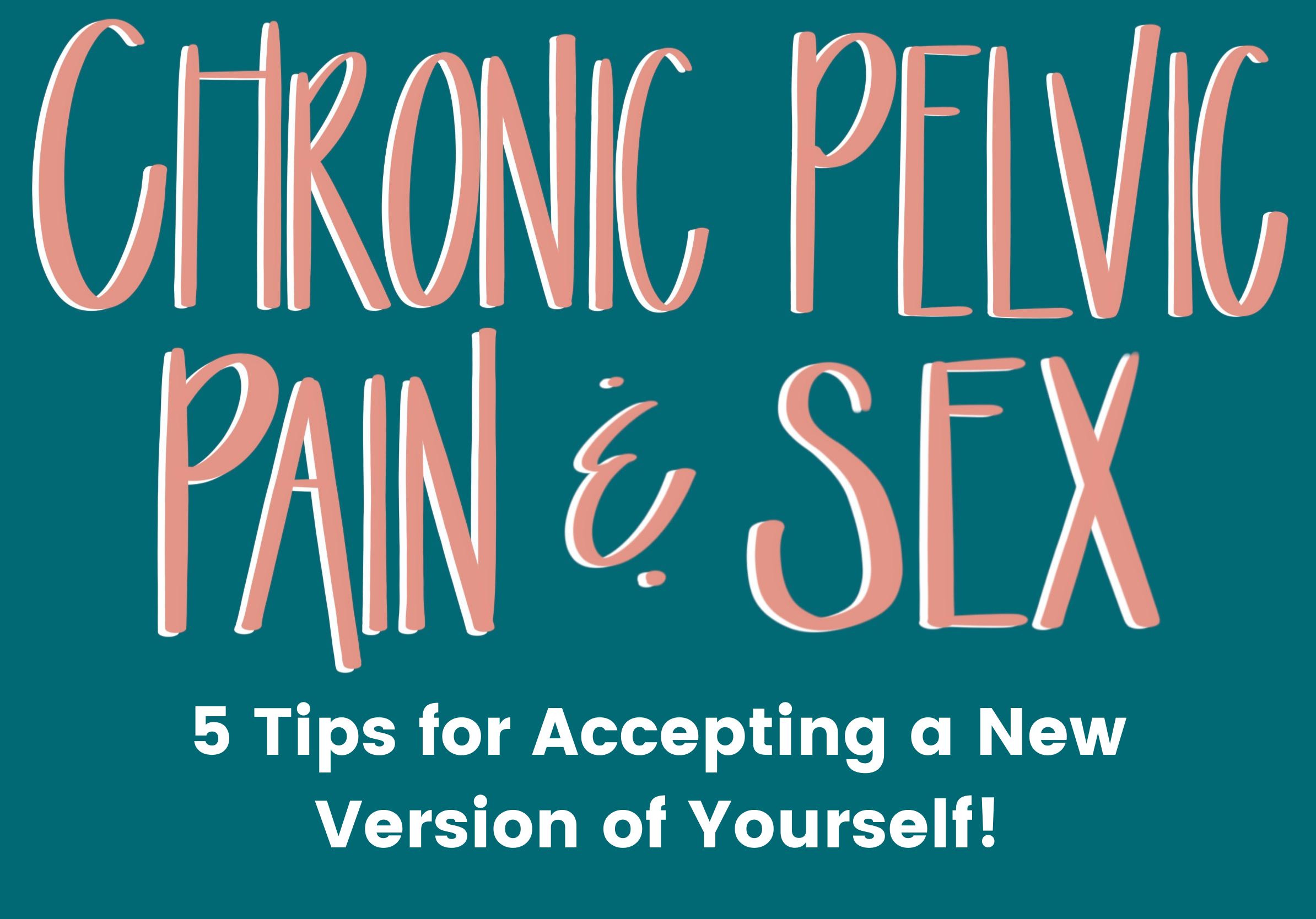
Here are five things I wish I had known when I was diagnosed a year ago with chronic pelvic pain:
1. Pain with sex isn’t normal, even if it’s your first time!
Growing up in a conservative state gave me a weird relationship with sex. Even with more progressive parents, I felt like sex was something I was supposed to just ‘get.’ However, no one taught me anything. I remember half of a semester on STIs in my high school class, but ZERO time on how any sex actually works. So I did my best to avoid getting close enough to anyone for sex to be an option until I graduated from college.
When I finally felt comfortable and confident enough to have penetrative sex for the first time, I was shocked. I was not prepared for how painful it would be for me.
And of course, this was right before the pandemic.
I had grown up hearing from friends, media, and even my doctor that ‘the first time might hurt, but it’s normal.’ So, I tried my best to push through the pain, waiting for the pleasure I was supposed to be experiencing. But it was too overwhelming for me, and I had to ask my partner to stop multiple times. Thankfully, he was really patient with me. But it was still hard for me to get out of my own head. I struggled to be present for the rest of our time together. Not only did I feel the anxiety of being ‘sexually inexperienced’… I felt broken.
Since then, I’ve discovered that ‘common’ and ‘normal’ are sometimes used interchangeably in women’s health. Just because it’s common that 3 out of 4 women experience pain with intercourse at some point in their lives doesn’t mean that pain should be normalized. Whether it’s your first time or your 1000th, if the pain doesn’t go away, PLEASE see a doctor. And know that no matter what you may discover, you deserve to enjoy sex too!
2. You can still have fun, great sex with chronic pelvic pain
One good thing about the pandemic isolation has been that I’ve been able to add FaceTime sex into my routine. It’s given me the freedom to grow more comfortable being sexual with someone else without as much anxiety. Because I don’t have to unleash my emotional baggage of my chronic illness so early on. It has also motivated me to research and experiment more with toys and lube! This has helped me feel more in control over my experiences and not feel at the mercy of my chronic illness.
A couple of major things I learned in this journey of ‘self-exploration’.
First: Don’t buy a ridiculously large penetrative vibrator for your first one! (Even if the reviews are amazing.) This really should have been self-explanatory, but it was the beginning of quarantine. I hadn’t been diagnosed yet, and I thought my painful first experience was just a fluke. I thought the pain was just a consequence of my anxiety, and that size wouldn’t matter. But it does matter. And I truthfully haven’t used a penetrative vibrator since my diagnosis. I hope to someday, but that’s not my end goal! I just want to get out of my head and enjoy my next in-person experience whenever it happens.
Second: Lube is your best friend, especially with chronic pelvic pain! But, be careful when trying new brands and varieties. If you are already sensitive to vaginal sensation, the right lube matters. I had to try a couple before finding one that doesn’t cause additional vaginal discomfort and irritation (thanks, Dame!). I recommend checking out Personal Lubricants 101 and the Best Lubes for Sex list if you want some options.
However, even though virtual sex and trying new toys have allowed me to pretend like my chronic pelvic pain isn’t a barrier to pleasure, I still have to fight against my fear that I will never be able to have ‘normal’ sex.
It wasn’t until I took a Sex Ed 101 workshop with Rachel that I finally began to change my perspective on what sex is and can be.
I remember that she defined sex as a “meaningful experience of pleasure,” and right away, something in my brain clicked. At that moment, I realized that I could still have great sex outside of the virtual fantasy. I just had to shift my mindset away from the limiting ‘penetrative sex is endgame’ mentality. I started to have a broader understanding of what feels good for me and how to achieve that, both in partnered sex and solo.
Remember: YOU DESERVE GOOD SEX! It just might take a little work to reframe or redefine what sex means for you, and that’s okay.
3. Pelvic Floor Physical Therapy is the best invention since sliced bread (trust me).
Pelvic floor physical therapy is the only IC treatment given an ‘A’ grade by the American Urological Association. But, I wasn’t given any information about it by my urogynecologist. If I hadn’t stumbled upon @pelvicsanity and @thepelvichealthladies on Instagram, I honestly don’t think I would have even realized it was an option for treatment as soon as I did. Now I can’t say enough good things about it.
Pelvic floor physical therapy is great, especially for chronic pelvic pain, because it can be tailored to your specific concerns.
Their job is to work with your routine and give you the tools to live your life more comfortably! For example, my PT has worked with me on a yoga routine that incorporates poses that relax the pelvic floor. She has helped me get started on a dilator program that has allowed me to feel more comfortable with penetration. In our sessions, she uses internal and external muscle-relaxation techniques that make me swear her hands are magic.
Unfortunately, to get the personalized care I was looking for, I had to go to an out-of-network provider. This means I pay 100% of the cost out of pocket. While I am incredibly privileged to have that option, I can only afford one appointment a month. Weekly appointments were recommended, but I just couldn’t swing it. It might take time to find the right physical therapist for you that you can also afford, and that’s okay! I was lucky and found an amazing physical therapist within my budget early on. Don’t be afraid to explore other options if you don’t feel like yours is a good fit! You are hiring them to serve your needs and concerns.
4. Don’t be afraid to ask for what you need.
2020 was the year that this chronic people pleaser finally learned how to set boundaries! Setting boundaries is something I didn’t realize I needed to be doing until I was about to go to the ER for a really intense flare of pelvic pain. I was emailing my boss and co-workers something like, “Maybe I’ll still log in this afternoon,” because I felt guilty about taking time off again. (In my defense, I was also an hourly temp employee without paid time off, but still, please don’t do what I did.) After that day, I decided that maybe it was time for me to talk with my therapist about setting boundaries with work and other aspects of my life. It was time for me to put myself and my health first, finally.
My therapist helped me find the courage to have an honest conversation with my boss about what I was going through and what that would mean going forward. Once I got through that conversation and realized that my boss didn’t suddenly hate me, I had the strength to start setting boundaries in other areas of my life.
Realizing that I could be honest about what I needed without losing people in my life has truly been a game-changer for my anxiety, especially when it comes to sex.
A year ago, my only concern was whether or not I was ‘good enough’ in bed for someone else. I was too nervous to ask any questions because I was scared I would look like I was ‘inexperienced’ as I felt. But now I know that I may have to be more vocal about what I need during sex, whether that’s a position change, a break to breathe and reregulate, or taking time to use my dilators before penetration. And I’m okay with that!
Asking for what you need is difficult even without a chronic illness. Still, it is so necessary for a healthy life, both inside and outside of the symbolic ‘bedroom.’ This is your reminder to set that boundary and make space for you.
5. You’re not broken.
Around the time of my diagnosis, I struggled to manage my depression and anxiety and decided to pursue therapy for the first time. Not only was I dealing with the stress of a drastically changing world right after graduating college, but I was also grappling with the fact that this illness was going to be with me for the rest of my life.
Therapy has helped a lot in getting me to realize where I get stuck on harmful thoughts surrounding my illness, the most common of which being “I’m broken.”
Getting myself to challenge this belief every time it pops into my brain is so hard, and to be honest, I still struggle with it! Every time something I used to eat or drink without issue causes me pain, I hear it. Whenever sex, even with modifications, triggers pain, I hear it. Whenever I have to take time off work because I’m in too much pain to function, I hear it. I hear it in every deadline I have to extend. I can hear it in the plans with friends that I have to cancel. It’s loud and annoying, but most importantly, IT IS NOT TRUE!
Without therapy and supportive family members, I don’t think I’d be as comfortable confronting the negative thoughts I have, frankly, both about myself and my illness. If 1:1 therapy isn’t an option, I recommend finding a support group. It can help you feel less stuck and alone when negative thoughts and emotions creep in.
No matter what chronic illness you’re navigating, you’re still 100% a whole person. No matter how much we’ve changed in the last week, month, or year, you’re whole.
Now say it with me… I am not broken.
If you want more writing like this, you can browse my posts on education, relationships, mental health and sex.
Related support
If this article brought up something you want support with, these pages may be a helpful next step.
Want help applying this to your real life?
If this brought something up for you, you do not have to sort through it alone. Explore therapy, coaching, workshops, and learning options built around direct, inclusive, shame-free support.